
1. If you haven’t yet read them, Steve-O-in NJ’s Comment of the Day on Chris’s brilliant Comment of the Day regarding ideological and partisan hate—plus Chris Bentley’s Comment of the Day on the same post, are all especially worth reading, not that all Comments of the Day by Ethics Alarms readers are not. I apologize for an unusually long intro to Steve’s post, but I had been holding on to a lot of related material from the day past on the topic, and it was either use them there or be redundant later. This meant putting Steve-O’s COTD after the jump, which is why I’m giving an extra plug to it now.
2. There were two significant criminal trial verdicts yesterday: the guilty verdict in the trial of Michelle Carter, a Massachusetts woman charged with murder for using text messages to persuade her teenaged boyfriend to kill himself, and the acquittal of the Minnesota police officers who shot and killed black motorist Philandro Castile during a traffic stop. I’ll cover the Carter case later.
There were the obligatory riots after the verdict acquitting Jeronimo Yanez, the officer who fatally shot Castile in his car after he told the officer that he was carrying a legally registered firearm and then reached for his wallet to show the officer his license. This is just the latest cattle-car in the Ferguson Ethics Train Wreck, the familiar pattern of a badly-trained cop, a dubious police stop, poor judgment by a victim, and a needless death. I would compare it to the Tamir Rice shooting in Cleveland, where the officers involved weren’t even indicted.
Why in the world would a motorist tell a cop in that situation—Castile had been officially stopped for a broken tail light, but in reality because he was black, and the officers thought he resembled a suspect in a crime who was also black—that he had a gun? This could be interpreted as a threat, and obviously Yanez saw it as one. The verdict looks wrong at a gut level, but it is easy to see how the jurors were thinking: they placed themselves in the officer’s position. They would have been in fear of their lives, so they couldn’t find a way to pronounce Yanez a murderer for doing what they could see themselves doing under similar circumstances. This was a legitimate case for reasonable doubt under the law. Police officers, however, are supposed to be less likely to panic than a typical juror. Castile is dead because of incompetent police work, but the criminal laws don’t allow different standards to be applied for different occupations, not should they. Continue reading






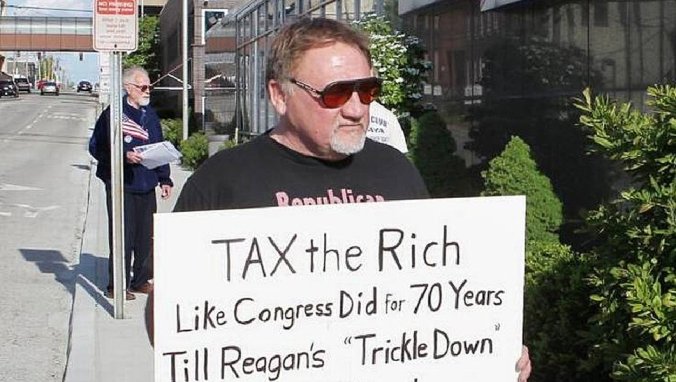


Some of Ethics Alarms’ most adept and provocative commenters have not authored official Comments of the Day. This is mostly due to the randomness of the selection process, as well as the fact that masters of the long-form have an inherent advantage over those who are more succinct.
I failed to get the Best of Ethics 2016 posted this year, but one of its items is always Commenter of the Year. That honor was going to go to Chris, who not only has been one of the most prolific commenters here since he first dropped by, but also one of the most resilient, forming the bedrock foundation of the Ethics Alarms liberal contingent, which still needs some recruits to balance the teams. Chris’s recognition in the Comment of the Day category does not accurately reflect his value here.
Here is his Comment of the Day on the post, “Morning Ethics Round-Up: 6/14/17, taking off from one of my numbered observations therein. I’ll be back briefly at the end.