The Scott Rudin Reckoning

Rudin

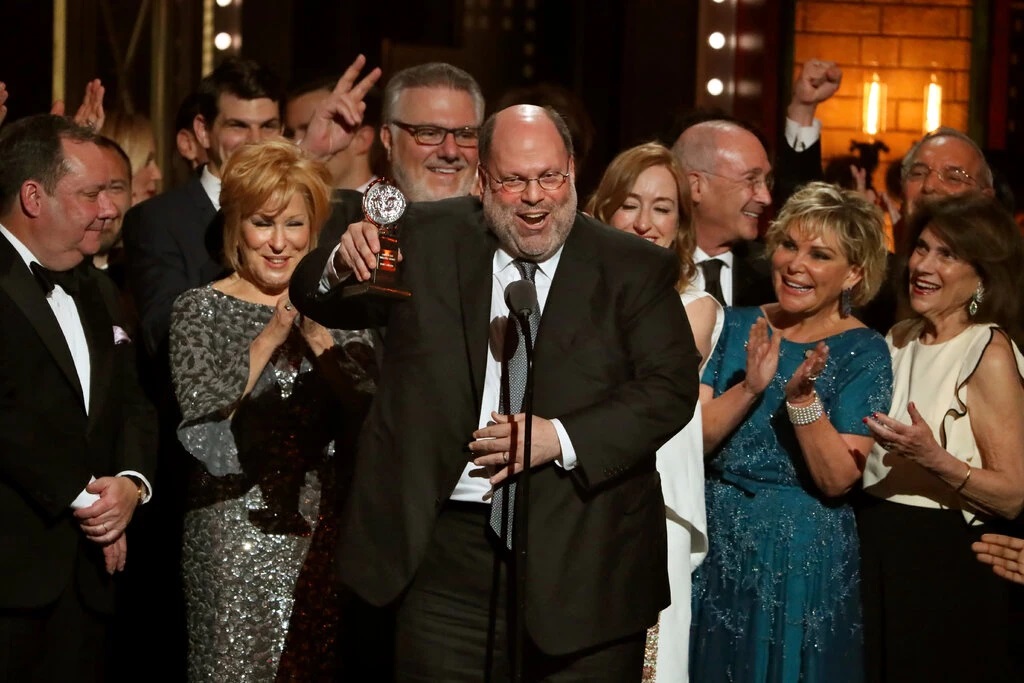
If you are not a active follower of show business, you may not recognize the name Scott Rudin. Heck, I am an active follower of show business, and I only began actively registering his name in my RNA lately because of the sudden shift in his fortunes. Rudin, in case you’re normal and barely noticed, has long been one of the most celebrated and powerful producers in Hollywood and Broadway. His productions have made billions; he has created too many stars to list, and his work has earned an Emmy, a Grammy, an Oscar and 17 Tony Awards. The problem, except that it wasn’t a problem until recently, is that Rudin is a toxic, bullying, abusive jerk who makes working with or for him a living hell. He’s not a sexual predator, like Harvey Weinstein, so his misconduct has not been strictly illegal. Moreover, while he is an extreme case, his obnoxious type has hardly been rare in show business. One could say it is closer to the norm.

Yet suddenly, Hollywood, Broadway and the entertainment business have begun a cultural shift. It was undoubtedly spurred by #MeToo, but in the end it may be more significant that #MeToo. This highly influential industry is beginning to reject the King’s Pass. As much as I hate to say anything good about show business culture, this is an unquestionably ethical development that could have wide reaching effect far beyond movies, plays, TV shows and music.

The King’s Pass is described in the Ethics Alarms Rationalizations List thusly:

11. The King’s Pass, The Star Syndrome, or “What Will We Do Without Him?” One will often hear unethical behavior excused because the person involved is so important, so accomplished, and has done such great things for so many people that we should look the other way, just this once. This is a dangerous mindset, because celebrities and powerful public figures come to depend on it. Their achievements, in their own minds and those of their supporters and fans, have earned them a more lenient ethical standard. This pass for bad behavior is as insidious as it is pervasive, and should be recognized and rejected whenever it raises its slimy head.  In fact, the more respectable and accomplished an individual is, the more damage he or she can do through unethical conduct, because such individuals engender great trust.

It is one of the most pervasive of all ethical perversions, and throughout human history, as reliable as an aspect of human nature. If you are successful and valuable to organizations and people, you can get away with bad, even terrible conduct that ruins lesser mortals. The rule reigns in business, academia, politics, government, sports and, of course, entertainment. One can speculate on why Scott Rudin’s unexpected fall has become a possible catalyst for weakening the iron grip of The King’s Pass, but for the moment, let’s focus on the fact that he has.
Continue reading →

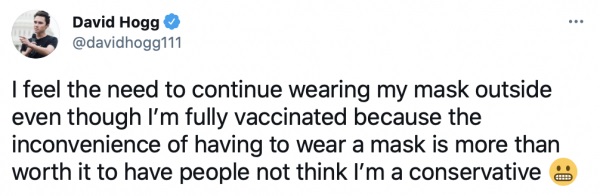
Unethical Tweet Of The Month: David Hogg

Hogg tweet2

This is so evidently a case of res ipsa loquitur that I probably shouldn’t comment on it. It is also signature significance: no one but a bigoted and arrogant child would think this way, much less announce such a mindset in public.

Hogg, an unwounded victim of the Parkland shooting tragedy, was willingly exploited as a mouthpiece for anti-gun/NRA/Second Amendment fanatics for more than a year. CNN built a “town hall” and a rigged debate around him with Don Lemon as his cheerleader. Despite a sub-adult biological age and a sub-teen emotional age while suffering the after-effects of a terrible experience, Hogg was held up as a respectable authority on matters he knew little to nothing about. Harvard even accepted him into its freshman class based on his political posturing alone.

In the tweet, he reveals the shallowness of his reasoning and the irrationality of his ideological certitude. We shouldn’t need the tweet, based on what we’ve heard from Hogg already, but some people sufficiently addled by “Think of the children!” need a bit more proof.

Incidentally, I have felt the need not to wear a mask outside since the very beginning of Pandemic Panic so that intelligent people wouldn’t think I am a gullible, submissive fool.

Now THAT Was A Stupid Lie!

caitlyn-jenner

Ah, memories! On the old Ethics Scoreboard, I had a feature called the David Manning Liar of the Month. From the description:

David Manning was an imaginary movie reviewer that Sony quoted when one of its movies was so lousy no real movie reviewer would praise it. When this long-running public fraud was brought to Sony’s attention, the company’s response was, in effect, “So who believes movie reviews?” Thus Sony’s phony critic and the company’s cynical defense of him stand for the dubious proposition that as long as your self-serving lie is in a trivial arena (usually entertainment) where dishonesty and misrepresentation are commonplace, or is a lie that nobody believes, it isn’t reprehensible. The fact is that these casual, obvious or trivial lies and the liars who spread them (almost always for profit) further degrade the value of honesty in American society, and pave the way for more destructive lies and liars waiting in the wings. All public deception is harmful, so The Ethics Scoreboard regularly recognizes The David Manning Liars of the Month, and urges the public to make them come clean…

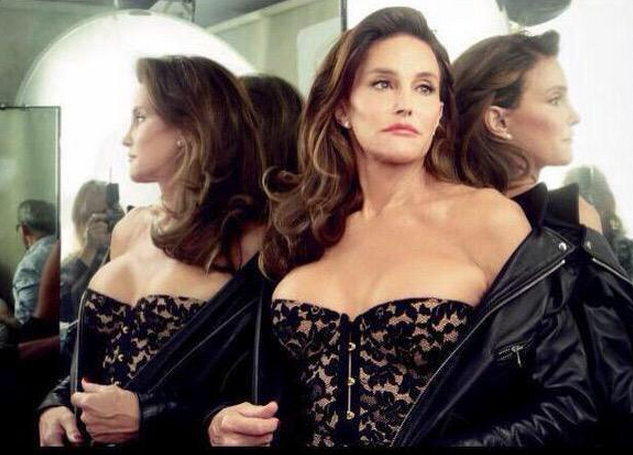
Thus it gave me a warm, fuzzy feeling, like finding an old toy, to read that Caitlyn Jenner, running for governor of California to revive her flagging celebrity now that the Kardashian gig is over, issued a completely pointless lie that was bound to be discovered.

CNN’s Dana Bash asked Jenner if the transgender former Olympic champions had voted for for Donald Trump in last year’s election.

“I didn’t even vote,” Jenner replied. “Out here in California, it’s like, why vote for a Republican president? It’s just not going to work. I mean, it’s overwhelming. It was voting day, and I thought, the only thing out here in California that I worry about, which affects people, is the propositions that were out there. And I didn’t see any propositions that I really had one side or the other. And so it was Election Day. And I just couldn’t get excited about it. And I just wound up going to play golf and I said, eh, I’m not doing that.”

But the record showed that she did vote. It was easy to check. Writes Politico, “Her claim to be a non-voter in that seminal 2020 election was baffling for a gubernatorial candidate trying to establish her political credibility, especially since records show she did participate in the contest.”

It’s not baffling. It’s typical: a disturbing number of Americans, especially celebrities and politicians, believe that lying is no big deal, so they don’t think being caught in obvious lies damages their reputation. Their attitude is “Hey, it’s worth a shot!” When they are caught, their reaction is, “Whatever.”

The disturbing thing is that they may be right.

Three Ethics Metaphors: The Rise, The Presidency And The Fall Of Donald J. Trump, Part I

dog pilot

I have to cleanse the blog of Trump related markers, like having “The Presidential Impeachment And Removal Plans, 2016-2020” link under the home page banner, and the “This Helps Explain Why Trump Is President” categories to tag articles. I’m not nostalgic or anything, I just hate blog housekeeping. But It’s also time to close that chapter with an ethics assessment of the Trump Presidency.

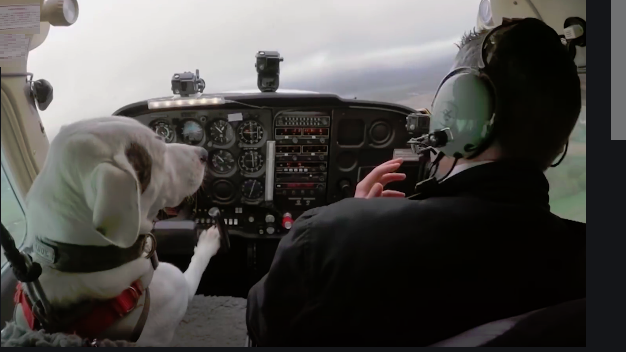
Three metaphors I applied to the nation’s Trump adventure nicely encapsulate what went on, I think. Beginning in late 2015, I derided the idea that electing (or nominating) Donald Trump to be President was the equivalent of the passengers in an airplane navigating a storm voting to let a dog (in some versions, a chimp) try flying the craft. The metaphor was apt, and it’s still apt, even though the dog/chimp equivalent did not crash the plane and kill everyone in it. That was moral luck, as pure as it can be. It was madness for this country to permit a man with Trump’s well-documented character flaws and proven proclivities both and executive and a human being control the destiny of the nation in 2016. Concluding otherwise is indefensible. A valued commentator here has apparently abandoned commenting here because he objected to my tendency to designate what he considered opinions as facts. I’m sure that he considers this one of those, but he’s wrong and I’m right. It’s a fact that Donald Trump had proven beyond the shadow of a doubt that he was unfit to be President before the 2015 debates, and he did nothing during the campaign to undercut that conclusion. It’s a fact that a dog shouldn’t fly a plane, and similarly, it’s a fact that Donald Trump should not have been allowed to come within miles of the White House, except as a visitor. Hillary was right: for the most part, those who were advocating Trump’s Presidency were deplorable: ignorant, reckless, irrational, walking and voting examples of the perhaps fatal flaws in democracy. She was just the worst possible individual to make that observation, since giving Clinton and her party the power she sought, while different from allowing a dog to fly the plane, was still wrong. It was just more like allowing a kamikaze pilot to fly the plane.

Continue reading →

Ethics Movie Ethics Quiz: “The Edge” (1997)

Anthony Hopkins winning an upset Oscar this year reminded me of the action film he made with (yecchh) Alec Baldwin 25 years ago. I would have written about it then, but 1) I didn’t see it then, being driven to my sock drawer at the thought of paying for any movie with Baldwin in it, and 2) it was a long time before Ethics Alarms.

The film explores survival situation ethics, a topic that “The Walking Dead” has thoroughly beaten to walking death in the last decade, with the assistance of some sharp David Mamet dialogue. Hopkins, a wealthy, cocky and obnoxiously competent businessman, survives a small plane crash that dumps him and two other men in the middle of the Alaskan wilderness. One of them, the younger Baldwin, is secretly having an affair with Hopkins’ super-model trophy wife, whom they left back at the hunting lodge.

Hopkins’ encyclopedic knowledge of everything and Eagle Scout-level survival skills keep his wilderness ignorant companions alive and hopeful until a rampaging Kodiak bear eats the man who isn’t Baldwin (thus showing good taste). Then the remaining two become the hunted. Eventually, after many scares and narrow escapes, Hopkins and Baldwin solve their hungry bear problem and find an abandoned cabin conveniently stocked with food, guns, and a canoe. Baldwin, confident that he no longer requires Hopkins’ expertise to survive long enough to be rescued, takes a functioning rifle, loads it, admits that he’s having the affair with Hopkins’ wife, and marches Hopkins outside to shoot him. But Fate takes a hand: Baldwin falls into a pit before he can shoot and is rendered helpless, with a broken leg and other life-threatening injuries.

Continue reading →

Stop Making Me Defend Stacey Abrams!

tucker-stacey-abrams

Fox News pundit Tucker Carlson thought it would be cute last night to have his senior producer “perform a dramatic reading of the most titillating moments” from one of the pulpy romance novels Georgia politician Stacey Abrams wrote before she started running for office. The excerpt was objectively awful, but that’s irrelevant: Carlson’s stunt was an unethical cheap shot, and the equivalent of an ad hominem attack. Abrams’ bad prose tell us nothing about the validity of her political positions, and bringing them into the discussion is designed to mislead.

I hate this tactic, and I have condemned it before regardless of who was the target and who was the slime artist. Minnesota Republicans tried to discredit Al Franken when he was first running for U.S. Senate by digging up a sexually-provocative humorous piece he had written for “Playboy”—you know, the epitome of evil—eight years before when he was a full-time comedy writer. “When Republicans do things like this,” I wrote on the old Ethics Scoreboard, “they insult voters by assuming that they are narrow-minded and illiterate, celebrate humorlessness, and willfully blur the difference between entertainment and public policy.”

Continue reading →

Weekend Ethics Frolics, 5/9/2021: Birthing Persons Day Edition

Frolicking

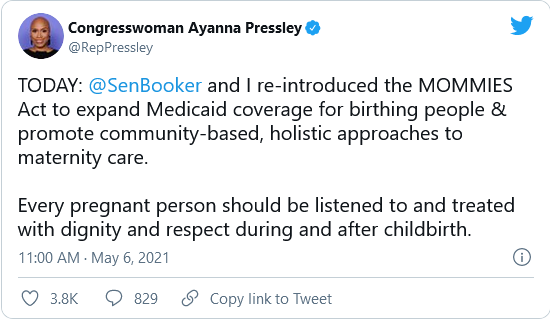
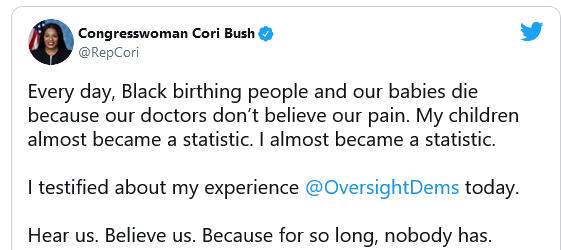
Surely you have heard by now that a few addled Democrats in Congress have begun using the hilarious term “birthing people” to describe mothers. This is in order to pander to the trans population, because the special problems of this tiny minority are worth turning the entire culture inside out and upside down. So far it’s three certifiably silly people on the Hill whose credentials as ethics dunces are unusually strong, even for Congressional Democrats (the links go to signature significance EA posts: Senator Cory “Spartacus” Booker , certifiable Rep. Ayanna Pressley, previously heard arguing that “girls” have a right to attack other girls with knives “uninterupted”, and the spectacularly unqualified Rep. Cori Bush, who was supposedly on Biden’s short list for VP, which is terrifying—yes, even more terrifying than Kamala Harris:

birthing person tweet 1Birthing person 2

This is fascinating from an ethics perspective, specifically the slippery slope. The Great Stupid that has descended over the land, with special focus on progressives, has led to vocal support for so many ridiculous ideas—defunding the police, paying people more to stay out of work than to have jobs, open boarders, electing Joe Biden, packing the Supreme Court, and more—that the once fairly bold line between “progressive” and “batshit crazy” appears to have been erased. At some point, and maybe “birthing people” is it, even left-tilting Americans will wake up and say “Whoa! These are wackos!”

And indeed they are.

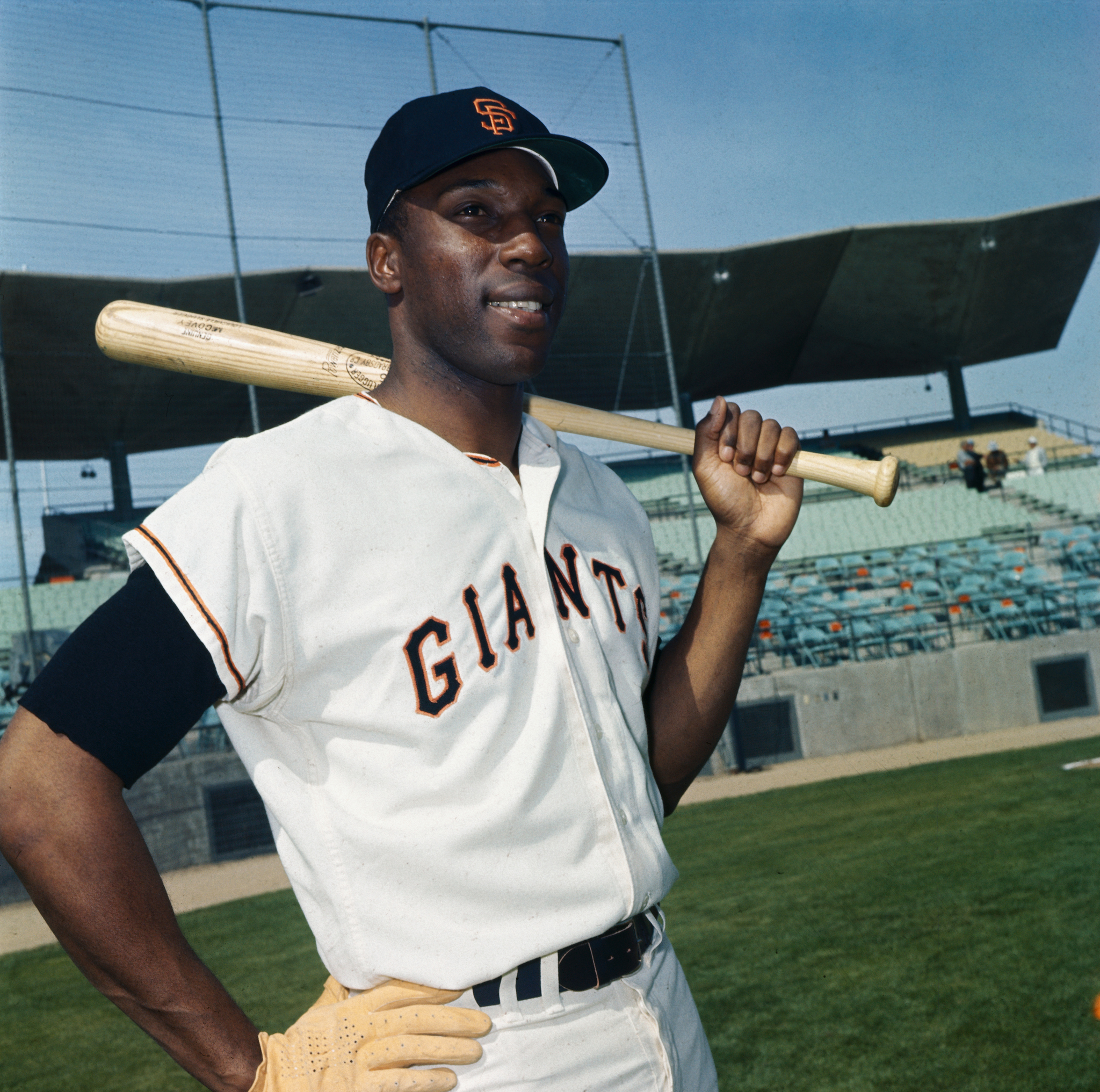
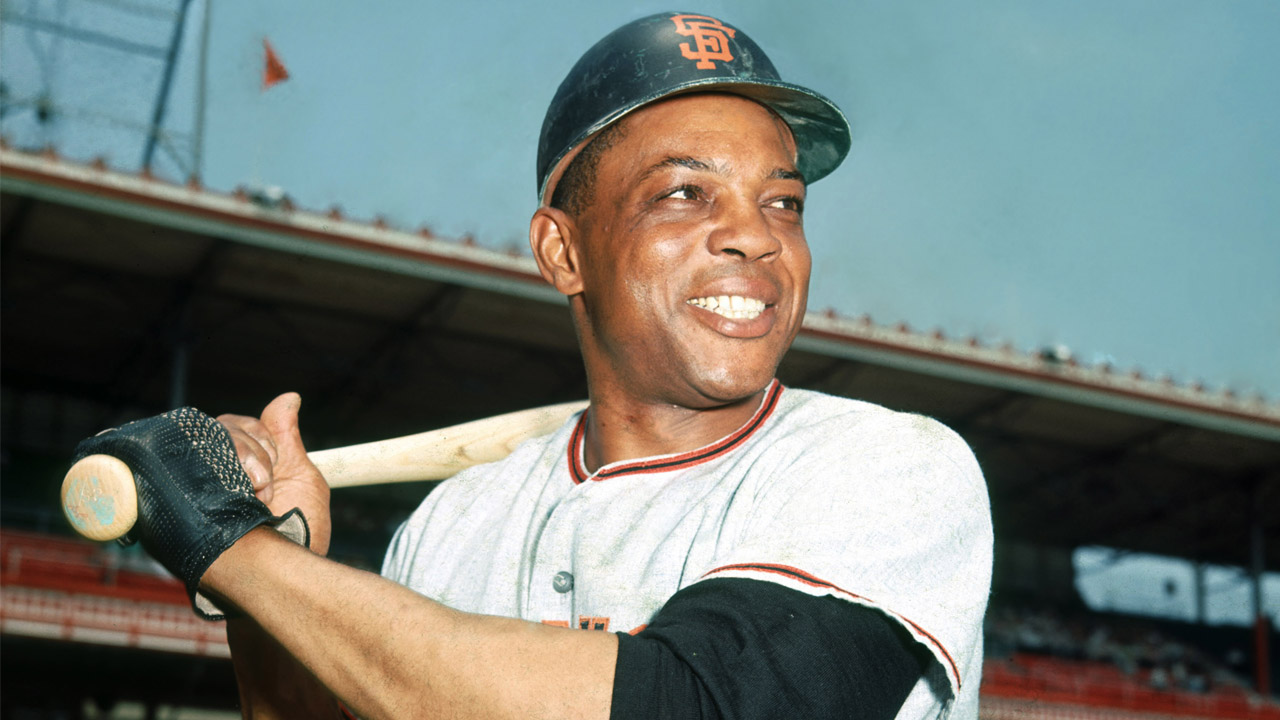
1. Also from the “What an idiot!” files…On baseball and Giants’ Hall of Fame immortal Willie Mays’ 90th birthday last week, House Speaker Nancy Pelosi’s Twitter account posted a picture of Willie McCovey. Willie Mays is a national icon, probably the greatest African-American baseball player of all-time, and any American, especially any American elected official, who does not know what he looks like is too ignorant of America’s culture and history to serve competently. (I’m only exaggerating a little.) Not only is this an insult to the Say Hey Kid (What does that nickname mean, Nancy? Huh? Come on, you represent San Francisco!), it’s the kind of “they all look the same to me!” mistake that white officials are typically savaged for, as when Senator Rubio mixed up Rep. John Lewis with Rep. Elijah Cummings. At least Cummings and Lewis looked a little bit alike. McCovey, who was also a Hall of Fame slugger and who also played for the Giants,

Willie McCovey Holding Baseball Bat

looked nothing like Willy Mays…

Willie-Mays-US-2155529

…and to make the distinction easy for baseball ignoramuses, Willie McCovey is DEAD.

Continue reading →

Afternoon Ethics Afterthoughts, 5/7/2021: On Quitting, Cancelling, Lying And Deflecting

brain

1. The dignity and integrity to quit. The big news in baseball yesterday was that the California Angels finally released Albert Pujols. Pujols is in the last year of a terrible 24 million dollar a year+ contract he signed as a free agent. For the last several years, he had negative value, meaning that the Angels would have been better if they just stuck a utility infielder in his slot in the line-up. When Pujols left the St. Louis Cardinals, he was already a lock of the Hall of Fame, much like Mike Trout today (also on the Angels) who could quit at 30 and still be regarded as one of the greatest players of all time. In 2019, I wrote about another washed up batter holding on to collect his exorbitant salary when he was no longer capable of earning it, the Orioles’ erstwhile slugger Chris Davis. I wrote in part,

[He] should call a press conference and do what some baseball players better than he have done when they realized they could no longer play at the level they were paid to. Quit. Retire. Say that he has too much respect for the game, his team mates, Baltimore, the Orioles, its fans, and himself to keep on with the embarrassing futility of trying to play major league baseball when he no longer has the skill to do so while receiving millions to fail. Then he should walk away, an Ethics Hero, and a model of integrity.

But Davis didn’t, of course. Davis earned $23,000,000 that year, and last year. He will earn the same amount this season and the next, to add to the 165 million he’s banked already. His OPS (On Base % plus Slugging %) the past three years: .539, .601, and .331. The average OPS in the Major Leagues is about .750. Nothing yet this year: he’s been injured. The Orioles hope he stays that way.

What Pujols is owed if he stays active is virtually monopoly money to him: he already has a third of a billion dollars from his baseball salaries alone, and many millions more from endorsements—and that’s just assuming he keeps his money in a sock. Reportedly Albert is greatly admired as a man of character, but if he was truly that, he would have the character to quit. Now.

2. Nah, there’s no mainstream media bias! Here’s a fun link: conservative pundit David Harsanyi traces (some) of the egregious media bias since Biden took office.

Continue reading →

Evening Ethics Cool-Down, 5/5/21: Toyota, Patents, And The Cheating Homecoming Queen

Frozen-Jack-Nicholson

I don’t want to over-use the “This Date In Ethics” concept, but attention must be paid: this was the day, in 1961,that Navy Commander Alan Bartlett Shepard Jr. boarded the Freedom 7 space capsule to becoming the first American astronaut to travel into space.

In these times where so many aspects of our culture are working to imbue Americans with fear of living, when people wear masks in their cars and teachers are willing to cripple both the economy and children’s education to minimize their risk of catching a virus, it should be remembered that a young, healthy man risked his life and the chance of a fiery death to advance America’s science and the spirit of exploration.

1. For some reason (Cognitive dissonance?) I haven’t been checking Althouse as often since she decided that her readers were hogging too much attention on her blog by insisting on posting comments. She still has an admirable talent for cutting through the BS. Reacting to today’s announcement that Facebook’s “quasi-indepedent” board upheld FaceBook’s partisan and anti-democratic ban on Donald Trump’s posts. Ann writes, “I’m not surprised. If the decision had gone the other way, Facebook could have found some new offense and banned him again.”

Not could have, though; would have.

2. How is this fair or equitable? Once again, Toyota is giving a special discount to “recent college graduates.” This is, of course, ham-handed pro-college virtue-signaling, but wouldn’t you guess that non-college grads of the same age need such discounts more? In the TV ad, we see a nice, upper-middle class white girl from childhood to college—it sure looks like her parents can afford a car…or she can afford a full-price cheaper car. Interestingly, this is one of the relatively few TV ads running now that dares to feature a white character who doesn’t at least mitigate her ingrained evil by being part of a mixed-race family.

Special deals on products and services for special categories of Americans—yes, even veterans—are divisive and incoherent.

Continue reading →

Ellen DeGeneris Meets The Cognitive Dissonance Scale

Ellen DeGeneres’s brand and reputation have always been built on the illusion that she was nice. She was called the “Be Kind” Lady. Then, last July, BuzzFeed reported that several of her popular daytime talk show’s former and current staff members said they had been subjected to “racism, fear and intimidation” on the set. Other staff members said producers had sexually harassed them. Warner Bros. investigated the complaints and concluded that there were major problems. Three of the show’s producers were fired. When DeGeneres returned from the show’s summer hiatus to open its 18th season, she began with a vague and deeply unsatisfying apology. “I learned that things happen here that never should have happened,” she said in part. “I take that very seriously. And I want to say I am so sorry to the people who were affected.”

Well wait a minute: whose name is on the title card? Who believes that Ellen DeGeneres had no idea what was going on in the management of the Ellen DeGeneres show? How is that even possible? And if it is possible, it’s still unforgivable. She is accountable.

There were also increasingly frequent accounts suggesting that Ellen herself wasn’t so nice. (I am reminded of my late night conversation with the late Broadway choreographer Thommie Walsh, who said, “You have to remember, Jack, that virtually all star performers are horrible people.”) Among the disturbing allegations was the claim that staff on DeGeneres’ show were instructed not to talk to her. She supposedly tried to get a waitress fired who chipped one of Ellen’s nail. There were leaks that she expressed contempt for her audience behind the scenes.

Sometimes the public surprises me: after all, it voted for Joe Biden to be President, and Joe has a completely phony nice-guy image that has been exposed again and again as a cynical facade. Yet in Ellen’s case, her hypocrisy was rejected. “Ellen,” the ratings companies report, has lost more than a million viewers since September, averaging 1.5 million viewers over the last six months, down from 2.6 million in the same period last year.

Continue reading →